Services Offered
Psychotherapy and/or psychoeducation for the following:
- Stress
- Depression
- Anxiety
- Trauma
- Grief/Loss
- Relationship difficulties
- Self injury
- Suicidality
- Acquired brain injury psychoeducation
Modalities
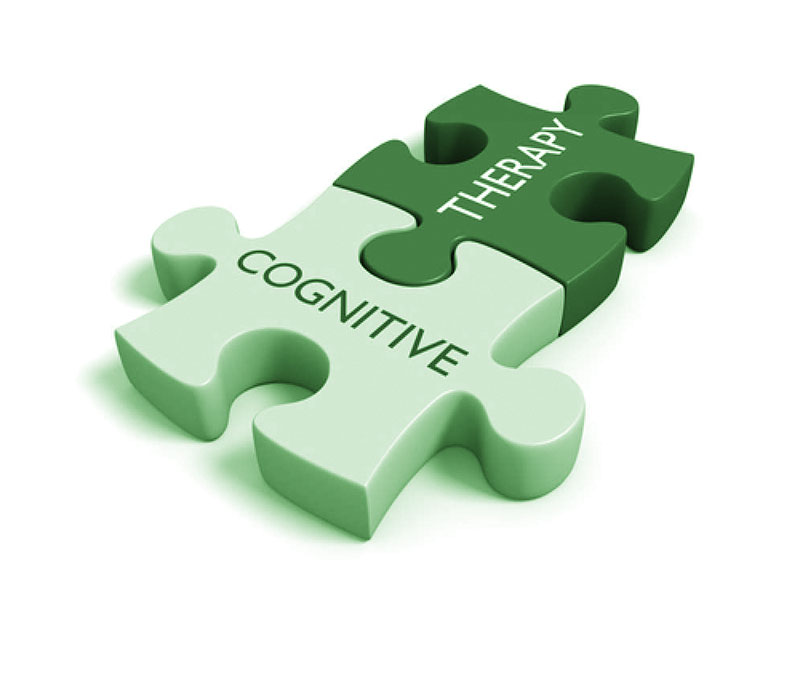
Cognitive behavioural therapy (CBT) is a common type of talk therapy (psychotherapy). It helps you manage problems by helping you recognise how your thoughts can affect your feelings and behaviour. CBT combines a cognitive approach (examining your thoughts) with a behavioural approach (the things you do). It aims to break overwhelming problems down into smaller parts, making them easier to manage. By altering patterns of thinking or behaving, people can learn to change the way they feel and become more empowered in their lives. CBT is a practical, rational, solution-focused approach to therapy that emphasizes a high degree of client engagement and often “homework” assignments between sessions to practice new skills.
Unlike some other therapies, CBT is rooted in the present and looks to the future. While past events and experiences are considered during the sessions, the focus is more on current concerns. During a CBT session, your therapist will help you understand any negative thought patterns you have. You will learn how they affect you and most importantly, what can be done to change them.
CBT can be a helpful tool either alone or combined with other therapies in treating mental health disorders such as depression and anxiety. Not everyone who benefits from CBT has a mental health condition. CBT can be an effective tool to help anyone learn how to better manage stressful life situations.
FACT is a new model of brief therapy that is a highly condensed version of a well-established longer-term treatment called Acceptance and Commitment Therapy. FACT uses acceptance and mindfulness strategies to help people transform their relationship with unwanted, distressing experiences, such as disturbing thoughts, unpleasant emotions, painful memories or uncomfortable physical symptoms. This type of therapy can by used by GP’s, nurses and other health professionals. The goal is to focus on healing for clients with providing brief psychoeducation, as well as relevant and client specific tools for clients to make positive changes to improve their wellbeing and quality of life.
Acceptance Commitment Therapy ACT is based on a relational frame theory (RFT) a school of research focusing on human language and cognition. RFT suggests the rational skills used by the human mind to solve problems may be ineffective in helping people overcome psychological pain. Based on this suggestion, ACT therapy was developed with the goal of teaching people that although psychological pain is normal, we can learn ways to live healthier, fuller lives by shifting the way we think about pain.
The goal of ACT is to create a rich and meaningful life, while accepting the pain that inevitably goes with it. “ACT” is a good abbreviation, because this therapy is about taking effective action guided by our deepest values and in which we are fully present and engaged. It is only through mindful action that we can create a meaningful life. Of course, as we attempt to create such a life, we will encounter all sorts of barriers, in the form of unpleasant and unwanted “private experiences” (thoughts, images, feelings, sensations, urges, and memories). ACT reaches mindfulness skills as an effective way to handle these private experiences.
Mindfulness can be defined as the awareness that arises from the intentional focusing of attention onto particular aspects of present-moment experience, without adding any judgments or interpretations to the experience itself. Rather than being on “autopilot” and without awareness of what the mind is attending to (i.e. mindlessness), mindfulness-based interventions strengthen awareness of what is going on in the present moment in our inner and outer worlds. Mindfulness aims to cultivate a nonjudgmental, receptive, and curious attitude toward human experience – ingredients which are particularly useful and conducive to effective psychotherapy. Paying attention mindfully to our reactions to different experiences and events can be effective in reducing the intensity of problematic, automatic reactions that can contribute to a variety of mental health issues (e.g. anxiety, panic, anger, depression), and increase our capacity to be fully present and enjoy our lives.